Material basics
Concrete vs cement: what each one is
Cement is the binder. Concrete is the finished mix. Buying the right bag starts with that distinction.
Reviewed September 1, 2026 by Sam Johnson from the Concrete Calculators Editorial Team. Sources and planning assumptions are linked in the article.
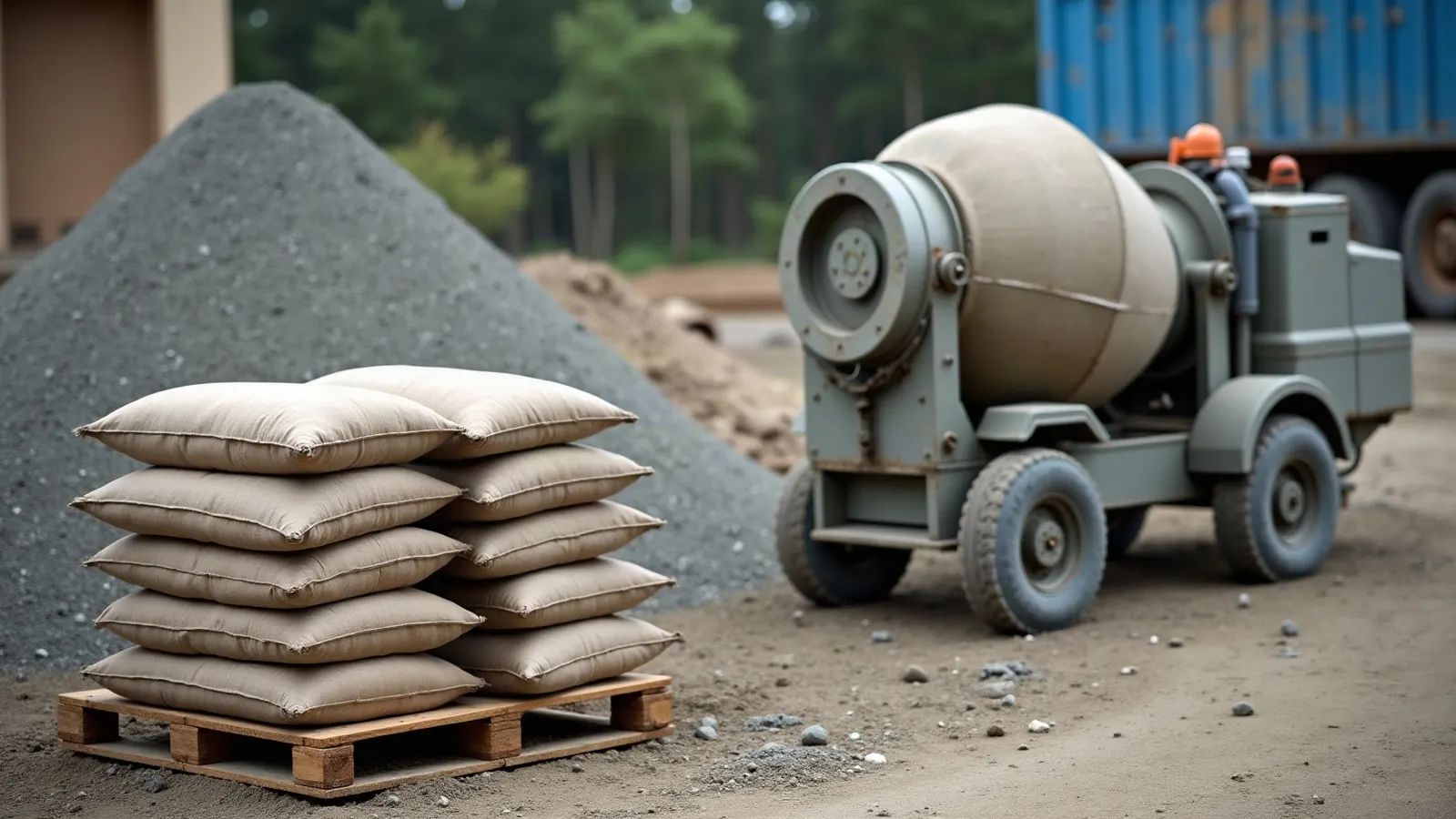
Cement is an ingredient. Concrete is the finished material. Cement is the fine gray powder, usually portland cement, that reacts with water and glues things together. Concrete is what you get when that paste binds sand and crushed stone into a solid mass. Roughly 10 to 15 percent of a typical concrete mix is cement by volume, a figure straight from the Portland Cement Association's own explainer.
The concrete vs cement distinction sounds like trivia until you are standing at the counter. Order the wrong product and your project fails in a way no calculator can fix. If you are sizing a pour right now, the concrete calculator turns dimensions into cubic yards and bag counts, and the concrete block calculator does the same for a wall, mortar included. Both assume you bought the right bag, so this guide is about making sure you do.
What is actually in concrete
The concrete vs cement split shows up in the mix design. A standard mix is four things in rough proportion: cement at 10 to 15 percent, water at 15 to 20 percent, and sand plus crushed stone or gravel making up the 60 to 75 percent balance, per PCA. Air entrainment adds microscopic bubbles on purpose in freeze thaw climates.
How hydration turns paste into concrete
The cement and water react in a process called hydration, and the concrete drying time guide follows that reaction hour by hour. It is a chemical cure, not drying, which is why concrete hardens under water and why you keep it damp for days instead of fanning it dry. The aggregate does the structural work once the paste locks it together. More cement does not automatically mean stronger concrete either. Past the design ratio, extra cement mostly adds shrinkage, heat and cost.
Concrete vs cement products at the yard
The word cement appears on half the shelf, which is how the wrong bag gets home. Here is the translation.
| Product on the shelf | What is in it | What it is for |
|---|---|---|
| Portland cement | Cement only, no aggregate | Blending your own concrete, mortar or stucco with bulk sand |
| Concrete mix | Cement, sand and gravel | Slabs, footings, post bases, anything 2 in thick or more |
| Sand mix or topping mix | Cement and sand, no gravel | Thin repairs and toppings under 2 in |
| Mortar mix, type N or S | Cement, lime and sand | Laying block and brick, never for slabs |
| Fast setting concrete | Concrete mix with accelerators | Fence posts, sets in under an hour |
| Ready mix, by truck | Batched concrete to your spec | Any pour past about one cubic yard |
The two mix ups that cost the most
Two mix ups cause most of the trouble. Mortar mix has no gravel and much less strength, so a mortar slab crumbles under a wheel. And portland cement alone is not a repair product; without aggregate it shrinks and flakes off whatever you troweled it onto.
Cement, concrete mix or ready mix: which to buy
Bags or truck is a volume decision. Under about one cubic yard, bagged concrete mix wins: no delivery minimum, no short load fee, no schedule. That is 45 bags at 80 lb per yard using the yield printed on the bag, which is real mixing work but manageable for a post run or a small pad.
Where ready mix takes over from bags
Past a yard, ready mix wins on both price and consistency. Every yard from the drum is batched to the same strength, while bag number 38, mixed tired with too much water, is not. Delivered pricing and the fees that surprise people are covered in the concrete price per yard guide.
Why water matters more than the cement brand
Once the right bag is home, the biggest thing you control is water. Strength tracks the water to cement ratio: the less water per pound of cement, the stronger the cured result, right up to the point where the mix is too stiff to place.
Manufacturers print a water range on every bag because pouring past it is the most common way a correct product gets turned into a weak slab. An extra quart per 80 lb bag can strip hundreds of psi from the cured strength, which is why crews talk about slump instead of adding water until it looks easy.
Practical water rules on site
The practical rules are short. Measure the first batch's water instead of eyeballing it, and match every later batch to it. Mix until uniform, about three minutes in a drum mixer, not thirty seconds with a hoe. In hot wind, work faster and keep the cure damp, because the same hydration chemistry that hardens the slab needs that water to finish the job over the following days.
Where mortar fits between cement and concrete
Mortar is cement, lime and sand with no coarse aggregate, designed to be sticky and workable rather than strong. It bonds masonry units and cushions them against each other, and block walls use about one 80 lb bag per 33 standard blocks.
Mortar is intentionally weaker than the block so that movement cracks the joint, which is repairable, instead of the unit, which is not. That is why you never substitute in either direction: concrete is too stiff and coarse to lay block with, and mortar is too weak to pour.
Concrete vs cement: the bottom line
The concrete vs cement rule is simple. Say concrete when you mean the material, and check the bag for the word mix before it goes in the cart. Concrete mix for anything you pour thick, sand mix for thin work, mortar for laying units, portland cement only when you are blending your own from bulk aggregate.
If the job is an interior floor, the concrete floor cost calculator prices the finish as well as the pour. Then size the order with the calculator that matches the job, and let the yield numbers on the bag, not the clerk's guess, set how many bags go home.
Straight answers
Concrete vs cement questions
Open a question for the practical answer, including the assumptions behind the number.
Can I use pure cement instead of concrete?
Not for anything structural. Cement paste alone shrinks and cracks as it dries and has little resistance to crushing loads compared with concrete. The stone and sand are not filler, they are the skeleton that carries the load.
Is cement stronger than concrete?
No. A cured cylinder of plain cement paste is weaker and far more brittle than the same cylinder of concrete. Strength comes from the paste gluing hard aggregate together, which is exactly what concrete is.
Why do people say cement truck and cement mixer?
Habit, going back a century. The truck carries ready mixed concrete, and every plant dispatcher knows what you mean. Say concrete on the phone anyway, because the order form asks for concrete strength, not cement.
What psi is bagged concrete mix?
Standard gray bags from the big brands cure to about 4,000 psi at 28 days when mixed with the water printed on the bag. High early strength and crack resistant blends differ, so read the bag, the number is on the front.
Concrete tool library
Related concrete calculators
Use the calculator that matches the scope of your next pour.
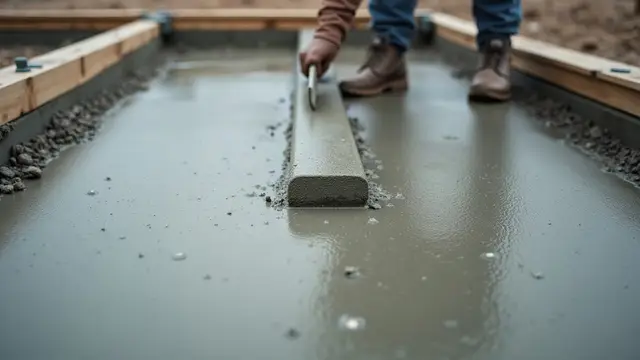
Free Concrete Calculator
Cubic yards, bags and cost for five common concrete shapes.
Open calculator →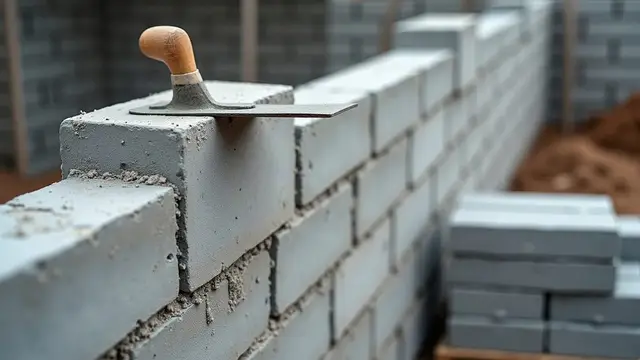
Free Concrete Bag Calculator
Bag counts by brand and bag size.
In development